
Lifestyle
What Happened to the Tradition of Children Running Errands for Neighbours in Ghana?


There was a time in many Ghanaian communities when a child could be sent to a neighbour’s house to borrow a cup of sugar, buy a few items from the provision shop or deliver a message to someone down the street.
It was a familiar part of growing up. Children were not only responsible for helping their parents at home but were also sometimes trusted to assist neighbours with simple errands.
In some communities, neighbours knew one another so well that sending a child to the next house was never considered unusual. A mother could ask a child to take a message to an elderly woman nearby, while another neighbour might request help buying bread, tomatoes, onions or other household essentials.
Sometimes, children were rewarded with a little money, biscuits, sweets or a thank-you. Other times, the errands were simply part of the informal relationship that existed among people living in the same neighbourhood.
These small activities helped children become familiar with the people around them. They learnt the names of neighbours, knew which houses belonged to particular families and gradually developed confidence communicating with adults.
The practice also reflected a sense of community responsibility. Neighbours did not always see themselves as strangers living behind separate gates and walls. They shared information, assisted one another and often treated children within the neighbourhood with a level of familiarity.
However, this culture has changed in many parts of Ghana.
Today, some parents are more cautious about allowing their children to move around the neighbourhood or enter other people’s homes. Concerns about child safety, road accidents, strangers and other risks have influenced how families supervise their children.
Urbanisation has also changed the nature of neighbourhood relationships. In some residential areas, people live close to one another for years without knowing the names of those next door. Gated communities, busy work schedules and changing lifestyles have reduced some of the everyday interactions that once brought neighbours together.
Technology has also made communication easier. Instead of sending a child to deliver a message, adults can simply make a phone call or send a WhatsApp message.
Although these changes have understandable reasons, they have also affected some of the informal relationships that helped build community life.
The tradition of sending children on errands was not simply about buying items or delivering messages. It was also one of the ways children learnt responsibility, politeness, communication and the importance of helping others.
This does not mean children should be sent into unsafe situations or given responsibilities beyond their age. Rather, safe and supervised opportunities to assist trusted neighbours can still teach valuable lessons.
Perhaps what Ghanaian communities need to preserve is not necessarily the old practice in its exact form, but the spirit of trust, kindness and neighbourly support that came with it.
Do you remember running errands for neighbours while growing up, and do you think children today still experience that sense of community?

















Entertainment
Why Do We Keep Postponing Visits to People We Love? The Relationships We Promise to Maintain

When was the last time you visited a friend, relative or loved one simply to spend time with them? Not because there was a funeral, wedding, birthday celebration or emergency, but because you genuinely wanted to see how they were doing?
Many people have friends and relatives they have not visited in months, sometimes even years. Yet, whenever they speak on the phone, the conversation usually ends with the same promise: “I’ll come and see you soon.”
Unfortunately, soon sometimes never comes.
One person is waiting for the other to visit, while the other is also expecting an invitation. Months pass, birthdays come and go, and the relationship gradually becomes one of occasional phone calls and WhatsApp messages.
Interestingly, some people only reunite with certain friends and family members when there is a major celebration or an unfortunate event.
But why do we find it so difficult to make time for the people we claim are important to us?
Almost everyone knows someone who has made this promise repeatedly.
You may call an old friend and hear that they have been meaning to visit. They may even suggest a particular weekend, but when the time arrives, something comes up.
Sometimes, the explanation is work. Other times, it is financial difficulties, transportation challenges or simply not having enough time.
Before long, another month passes, and the promise is made again.
In some relationships, both parties genuinely want to meet but keep waiting for the other person to make the first move.
The result is that people who once spent a lot of time together gradually become strangers who only exchange greetings occasionally.
Modern life comes with several responsibilities. People have jobs, businesses, children, household duties, personal goals and financial commitments to manage.
For someone working long hours during the week, the weekend may become the only opportunity to rest, run errands and attend to personal responsibilities.
Others spend their free time catching up on household chores or preparing for another busy week.
As a result, visiting friends and relatives may begin to feel like another task on an already crowded schedule.
However, while life can genuinely become demanding, relationships also require attention. Waiting until there is a perfect opportunity may mean waiting much longer than expected.
One interesting development is how technology has changed the way people maintain relationships.
Today, you can see what your childhood friend is doing through their WhatsApp status. You can congratulate a relative on Facebook, watch a friend’s TikTok videos and exchange messages without ever meeting in person.
Social media makes it possible to remain aware of people’s lives without having regular face-to-face interactions.
However, seeing someone’s pictures online is not necessarily the same as spending time with them.
A quick reaction to a birthday post cannot always replace a meaningful conversation, and a forwarded message may not provide the same connection as an actual visit.
Sometimes, people know what their friends are doing online but have not had a proper conversation with them in months.
For some people, visiting friends and relatives is not as simple as it sounds.
Transportation costs, distance and other expenses can make frequent visits difficult, particularly when people live in different towns or far from one another.
There is also the question of what to take along when visiting someone’s home.
In some social circles, people feel uncomfortable visiting without bringing something, whether it is food, drinks or a small gift.
Although these gestures are not compulsory, the expectation can sometimes make an ordinary visit feel more expensive than necessary.
As a result, people may postpone visits until they have enough money to make the trip comfortably.
Have you noticed how some people only meet certain friends and relatives during weddings, funerals, naming ceremonies and other major events?
At such gatherings, everyone is excited to see one another. Old friends exchange numbers, relatives take pictures together, and people promise to organise another meeting.
But after the event, communication may gradually disappear again.
Sometimes, the next time everyone meets is at another major occasion.
This raises an important question about whether we have allowed social events to become the main reason we maintain certain relationships.
Relationships should not always require a special invitation or an important announcement before people make an effort to see one another.
One thing people sometimes forget is that relationships change with time.
Friends move to different locations, relatives grow older, children become adults, and people’s responsibilities increase.
The opportunities to spend time together may not always remain the same.
Someone you regularly promised to visit may eventually become too busy, relocate or simply grow distant.
This does not mean people must visit everyone constantly, but making occasional efforts can help preserve relationships that genuinely matter.
A simple visit, an invitation for lunch or an afternoon spent catching up can sometimes mean more than months of exchanging greetings online.
Maintaining relationships does not always require expensive outings or elaborate plans.
Sometimes, it is enough to call someone, arrange a convenient time and actually follow through.
A visit does not have to involve a big meal, expensive drinks or a special celebration. What matters is the willingness to make time for one another.
People can also be more understanding of each other’s schedules and financial circumstances instead of assuming that every delayed visit means a lack of interest.
Perhaps we should stop treating visits as something we will do whenever life becomes less busy.
After all, the people we love also need our presence, not just our occasional messages.
So, why do we keep promising to visit friends and relatives but rarely follow through? Is it genuinely because life is too busy, financial challenges or have we simply become too comfortable maintaining relationships from a distance?
Lifestyle
Why Do We Have Special Plates for Visitors but Use the Old Ones Every Day? The Funny Truth About Ghanaian Homes

Have you ever visited someone’s home and been served food on beautiful plates that look as though they have never been used before? But when the same household members sit down to eat, they bring out the older plates, mismatched bowls and cups that have clearly seen better days?
Perhaps you grew up in a home where certain plates, glasses and cutlery were reserved for visitors. They were carefully arranged in a cupboard, brought out only on special occasions and sometimes returned immediately after guests had finished eating.
In some homes, even the best dining set is treated like a family treasure. Nobody is allowed to touch it casually because it is being kept for that important day when visitors arrive.
It is an interesting household tradition that many people can recognise, but it raises a funny question: why do we sometimes save our nicest things for other people instead of enjoying them ourselves?
In many Ghanaian homes, there is that special cupboard where the finest household items are kept.
Inside, you may find beautiful ceramic plates, matching cups, expensive glasses, decorative bowls and cutlery that rarely make an appearance during ordinary meals.
Some of these items may have been wedding gifts, birthday presents or purchases made specifically for entertaining visitors.
They are arranged carefully, sometimes behind glass doors, where everyone can admire them but very few people are permitted to use them.
Children may even grow up knowing that certain plates are strictly for visitors. Touching them without permission can attract a serious warning from an adult.
The funny part is that some households may own these beautiful items for years without using them regularly.
The moment a visitor arrives, the household suddenly becomes a different place.
The special plates come out, the matching cups are selected, and the best cutlery is brought to the table.
Even an ordinary meal can be presented with extra attention because the host wants the visitor to feel welcome and comfortable.
Meanwhile, the family members who eat from those same plates every day may be wondering why their own food is being served in an entirely different set of dishes.
In some homes, visitors receive the best treatment even when the people who live there rarely enjoy the same experience.
One reason people keep their best plates and glasses away from everyday use is the fear of damaging them.
A beautiful dining set may have cost a considerable amount of money, and the owner may not want to risk losing pieces through careless handling.
There is also the concern that children might accidentally break something valuable.
As a result, the items are kept safely until an important occasion.
However, sometimes the special occasion people are waiting for takes so long to arrive that the items remain unused for years.
Interestingly, this habit is not limited to kitchenware.
Some people have clothes they only wear for special occasions, shoes they are afraid to spoil and perfumes they reserve for important outings.
Others own beautiful bedsheets that are only used when visitors are expected, while their everyday bedding has become old and worn.
There are also households where the living room is arranged so beautifully that family members are discouraged from disturbing anything.
The best furniture, curtains and decorations are sometimes treated as though they belong to visitors rather than the people who live in the house.
It raises an interesting question about why we sometimes feel the need to preserve our best belongings for an occasion that may not come anytime soon.
Ghana has a strong culture of hospitality. Many families take pride in welcoming visitors, preparing food and making guests feel respected.
Serving visitors with beautiful plates and providing them with the best available items can be an expression of love, generosity and good manners.
There is absolutely nothing wrong with wanting guests to feel special.
However, the habit becomes interesting when people are so focused on preserving their belongings that they forget to enjoy them themselves.
A family may continue using old, uncomfortable plates while the expensive dining set remains untouched in the cupboard.
Perhaps there should be a balance between keeping certain things for special occasions and allowing ourselves to enjoy what we have purchased.
Life is not made up of visitors and special occasions alone. There are ordinary mornings, family dinners, quiet weekends and simple moments that also deserve to be enjoyed.
A beautiful plate does not become less valuable because it is used regularly. A good bedsheet does not have to wait for a visitor, and an expensive perfume does not need a wedding invitation before it can be worn.
Sometimes, the people who deserve the best treatment in a home are the very people who live there every day.
Perhaps the next time you open your kitchen cupboard and see those beautiful plates you have been keeping for years, you should consider bringing them out for an ordinary family meal.
After all, what is the point of owning beautiful things if you never get to enjoy them?
Be honest: Does your home have special plates, cups or glasses reserved only for visitors, while the family uses the old ones every day?

For many Ghanaians, Sunday mornings once came with a special routine. Long before the church service began, families were already preparing for the day, polishing shoes, ironing clothes, fixing hairstyles and making sure everyone looked presentable.
Going to church was not just about attending a service. It was also an occasion to dress neatly, meet friends, greet neighbours and spend time with members of the community.
The tradition of wearing one’s Sunday best was particularly important in many Ghanaian households. Parents often made special efforts to ensure their children had beautiful clothes reserved specifically for church. Some children even had matching outfits with their siblings, while others eagerly waited for new dresses, shirts or shoes purchased for special Sundays.
For women, colourful dresses, elegant kaba and slit outfits, headwraps and carefully selected accessories were common sights. Men often appeared in well-ironed shirts, trousers, suits or traditional wear. Children were equally encouraged to look smart, with their clothes and shoes sometimes prepared the night before.
In some families, Sunday dressing was treated almost like a weekly ceremony. Children who tried to wear their everyday clothes to church could quickly be reminded that Sunday was different.
However, changing fashion trends, busy lifestyles and more relaxed attitudes towards dressing have influenced how people prepare for church today.
While many Ghanaians still make an effort to dress elegantly for Sunday services, others prefer simpler and more comfortable outfits. Some churches have also embraced more relaxed dress codes, allowing members to attend services in casual clothing.
The rise of social media has introduced another dimension to church fashion. Some people now pay particular attention to their outfits, hairstyles and accessories, with Sunday services becoming an opportunity to showcase personal style. Others believe that appearance should not overshadow the purpose of worship.
Beyond fashion, the tradition of dressing up for church also reflected how families prepared for an important weekly gathering. It taught children neatness, personal grooming and the importance of taking certain occasions seriously.
Although the meaning of church attendance remains important to many people, the familiar Sunday morning routine of preparing special clothes and shoes is not as prominent in every household as it once was.
Perhaps the question is not whether Ghanaians should return to expensive or elaborate Sunday outfits, but whether we still value the discipline, neatness and sense of occasion that came with dressing up for church.
Do you remember when your parents insisted on your Sunday best before going to church, and do you think that tradition should be encouraged among children today?
Lifestyle
Why Do We Keep Checking Our Phones Even When Nobody Has Called? The Habit We Hardly Notice

Have you ever picked up your phone to check something, only to realise that there was nothing new to see? Or unlocked your screen several times within a few minutes, even though you had not received a call, message or notification?
Perhaps you were expecting a WhatsApp message, checking whether someone had viewed your status or simply scrolling through social media without knowing exactly what you were looking for.
For many people, checking their phones has become such an automatic habit that they sometimes do it without thinking.
Whether they are sitting in a car, waiting for food at a restaurant, watching television or having a conversation with someone, the phone is never too far away.
But why do we feel the need to keep checking our screens, even when there is nothing important waiting for us?
One reason people constantly check their phones is the feeling that something important might happen while they are offline.
A WhatsApp message may arrive, a friend may call, an interesting video may be shared or an important update may appear on social media.
Even when there is no particular message expected, some people repeatedly unlock their phones just to make sure they have not missed anything.
This behaviour can make it difficult to remain focused on other activities because attention is constantly shifting towards the screen.
The WhatsApp status checking habit
For many Ghanaians, WhatsApp is more than a messaging application. It is also a place where people share daily activities, follow conversations and keep up with what friends, relatives, and acquaintances are doing.
Some people regularly check who has posted a new status, while others are particularly interested in knowing who has viewed their own updates.
There are also people who post something and return several times to check the views, reactions and responses.
A simple picture, quotation or video can become an excuse to keep opening the application throughout the day.
Sometimes, people are not even looking for a particular conversation. They simply want to see what is happening.
When waiting for a message becomes an obsession
Another interesting part of phone checking is the expectation of receiving a message from a particular person.
Someone may send a message and then keep checking their phone to see whether the recipient has replied.
Others may repeatedly open a conversation to check whether the message has been read, especially when the response is taking longer than expected.
In some situations, people begin interpreting response times. They may wonder why someone is online but has not replied, or why a person who usually responds quickly has suddenly gone quiet.
This can turn an ordinary messaging experience into an unnecessary source of worry and frustration.
The habit of reaching for the phone during conversations
Have you ever been talking to someone only for them to suddenly pick up their phone and start scrolling?
Sometimes, the person may not even be responding to an important message. They simply seem uncomfortable sitting without checking their screen.
This behaviour can affect face-to-face communication.
A conversation that should have been enjoyable may become interrupted by notifications, videos and random social media updates.
It can also leave the other person feeling ignored, especially when they are making an effort to have a meaningful discussion.
Interestingly, some people become so accustomed to checking their phones that they barely notice how often they interrupt conversations.
Social media keeps giving us reasons to return
Social media platforms are designed around constantly changing content.
There is always another video to watch, another photograph to see, another discussion to follow or another trending topic to explore.
Even after spending a considerable amount of time online, people may feel that there is still something they have not seen.
This can encourage repeated checking throughout the day.
Someone may open TikTok to watch one video and end up spending much longer than planned. Another person may check Instagram briefly and move from one post to another without realising how much time has passed.
The interesting thing is that people sometimes check their phones out of habit rather than because they have a specific reason.
For some people, being without their phones, even briefly, can feel uncomfortable.
They may repeatedly touch their pockets to confirm that the device is still there or become uneasy when they leave it in another room.
Others find it difficult to enjoy certain activities without taking pictures, recording videos or checking what is happening online.
A short period without internet access may even feel unusually long because they are accustomed to being constantly connected.
While phones have become essential tools for communication, work, entertainment and information, the habit of checking them unnecessarily can take attention away from the people and activities around us.
There is nothing wrong with using a phone regularly. For many people, it is an important part of their daily responsibilities.
However, it is worth considering whether every screen check is necessary.
Sometimes, putting the phone aside during meals, conversations, or family time can help people become more present.
Turning off unnecessary notifications and creating periods without social media can also make it easier to focus on other activities.
The goal is not to stop using technology but to develop a healthier relationship with it.
Perhaps the real question is not how many hours we spend on our phones, but how often we reach for them without even knowing why.
So, how many times do you check your phone in a day even when you are not expecting a call or message? And can you comfortably spend an entire afternoon without checking it?
Lifestyle
Why Do We Always Want What Other People Have? The Habit of Comparing Our Lives With Others
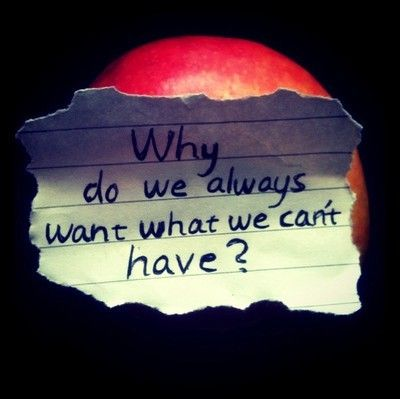
Have you ever been perfectly happy with something you own until you saw someone else with a newer, bigger or more expensive version? Perhaps you were comfortable with your phone until a friend bought the latest model, or satisfied with your apartment until you visited someone whose home looked more luxurious.
Suddenly, what you already had no longer seemed good enough.
This experience is familiar to many people. From clothing and cars to houses, careers, relationships and personal achievements, it is easy to become dissatisfied with our own lives when we constantly observe what others are doing.
Sometimes, we do not even want something because we genuinely need it. We want it simply because someone else has it.
But why is it so difficult to appreciate what we have without comparing ourselves to others?
One of the biggest influences on people’s choices is their immediate social circle.
When friends begin buying cars, travelling abroad, building houses or starting businesses, others may begin questioning their own progress.
A person who was previously comfortable with their financial situation may suddenly feel left behind because everyone around them appears to be moving forward.
This pressure can influence spending decisions, career choices and even major life commitments.
Some people take loans to purchase expensive items, organise celebrations beyond their budgets or make financial decisions simply to maintain a particular image among friends.
Instead of asking whether something is necessary or affordable, the question becomes whether they can keep up with what others are doing.
Social media has made it possible to observe other people’s lifestyles almost every day.
A quick scroll through Instagram, TikTok or Facebook may reveal someone’s new car, beautiful apartment, expensive holiday, wedding celebration or professional achievement.
While these posts may represent genuine moments of happiness, they do not necessarily show the full picture of someone’s life.
People rarely share every financial difficulty, personal disappointment or challenge they experience.
As a result, viewers may compare their everyday struggles with carefully selected highlights from other people’s lives.
Someone working hard to pay their bills may begin feeling unsuccessful after watching a series of luxury lifestyle videos.
The danger is that people sometimes forget that social media does not provide a complete picture of anyone’s reality.
Interestingly, comparison does not always involve material possessions.
Sometimes, another person’s achievement can make us question our own abilities.
A former classmate may secure an impressive job, a friend may receive a scholarship, or someone younger may establish a successful business.
Instead of celebrating the achievement, some people begin asking themselves why they have not reached the same level.
They may feel pressured to achieve something quickly, even when their circumstances are completely different.
In some cases, another person’s progress can inspire positive action. However, when comparison becomes excessive, it can turn into jealousy, resentment and unnecessary competition.
In some social circles, appearing successful has become almost as important as actually being financially comfortable.
People may feel pressured to wear expensive clothes, own fashionable accessories, drive certain cars or live in particular neighbourhoods.
Even ordinary outings can become opportunities to demonstrate a certain lifestyle.
Someone may spend money they should have saved simply to avoid looking less successful than their friends.
Others may hide financial difficulties because they fear being judged by people who believe they are doing well.
This can create a situation where individuals spend more time maintaining appearances than building the financial stability they actually need.
One important thing people sometimes forget is that everyone has a different starting point.
Two people who attended the same school may have completely different family responsibilities, financial opportunities and personal circumstances.
One may receive financial support from relatives, while another is responsible for supporting an entire household.
Someone may secure a job shortly after graduation, while another may spend years searching for an opportunity.
Comparing their achievements without considering these differences can create unrealistic expectations.
Progress does not always happen at the same speed, and reaching certain milestones at a particular age does not determine someone’s entire future.
Constant comparison can make people lose satisfaction with things they previously appreciated.
A person may buy a beautiful phone but become unhappy after seeing someone with a newer model. Another may celebrate a career achievement but quickly lose excitement after hearing about a friend’s promotion.
Even relationships can suffer when people compare their partners, weddings, homes, or family experiences with those of others.
The more attention people give to what others possess, the easier it becomes to overlook their own achievements.
Sometimes, the problem is not that we have too little. It is that we have become too focused on what someone else has.
Learning to appreciate your own progress
Appreciating your life does not mean abandoning ambition or refusing to improve your circumstances.
There is nothing wrong with wanting a better job, a bigger home, financial independence or a more comfortable lifestyle.
The important thing is to pursue these goals because they matter to you, rather than because you feel pressured to match another person’s achievements.
It is also helpful to recognise personal progress, celebrate small achievements and make financial decisions based on actual needs and resources.
Another person’s success does not reduce your chances of succeeding, and their achievements should not become a reason to look down on your own journey.
Perhaps one of the most important lessons in life is learning that you can admire what someone else has without feeling that your own life is incomplete.
So, why do we constantly compare our lives with others, even when we know that everyone has a different journey? Are we genuinely inspired by other people’s success, or have we become too concerned about keeping up with them?

Ghana Targets Nigeria as No. 1 FDI Source as Mahama Team Engages Tony Elumelu

19-YEAR-OLD ARRESTED FOR IMPERSONATING PRISON OFFICER IN TAMALE

MAHAMA CONDEMNS $3BN ANNUAL FOOD IMPORTS, URGES WEST AFRICA TO BOOST LOCAL PRODUCTION

Kofi Kinaata Set for Historic Canada Performances as Ghana Marks 70 Years of Independence

Why Do We Keep Postponing Visits to People We Love? The Relationships We Promise to Maintain

NADFFA 2027: Ghana to Host Pan-African Film and Food Festival in March

GTA Staff Demand Answers on World Cup Visa Slots, Staff Dismissals and Unpaid Allowances

SAMMY GYAMFI’S “MINE WITHOUT LICENCE” REMARK SPARKS FRESH GALAMSEY DEBATE

Nicki Minaj Throws Her Support Behind Trump Ahead of US Midterm Elections

FOKLEX MEDIA AWARDS COMMENDS PRINCE KWAW GYIMAH AND OWASS FM TEAM FOR PROFESSIONALISM DURING KWAME DZOKOTO INCIDENT

Illinois’ financial crisis could bring the state to a halt
The final 6 ‘Game of Thrones’ episodes might feel like a full season
New Season 8 Walking Dead trailer flashes forward in time
Mod turns ‘Counter-Strike’ into a ‘Tekken’ clone with fighting chickens
Meet Superman’s grandfather in new trailer for Krypton
-

 Entertainment13 hours ago
December in GH: How Ghana Is Using the Black Star Experience to Reconnect the African Diaspora
-

 Entertainment12 hours ago
Mawuko Kuadzi Receives Prestigious SOTIGUI Honour at 2026 Awards in Burkina Faso
-

 Entertainment13 hours ago
Stop Complaining and Make an Effort– Michy Challenges Shatta Wale Over Majesty
-

 Entertainment12 hours ago
Ghana to Host Over 150 Events as Festive Season Attracts Global Visitors
-
 News Live6 hours ago
MAHAMA CONDEMNS $3BN ANNUAL FOOD IMPORTS, URGES WEST AFRICA TO BOOST LOCAL PRODUCTION
-

 Entertainment7 hours ago
GH¢2 Billion Not Enough: CEMSE Questions Government’s Energy Financing Plans in 2027 Budget
-
Politics8 hours ago
Ghana’s GH¢2 Billion Energy Compact Under Fire As CEMSE Raises Red Flags Over 2027 Budget
-

 Entertainment8 hours ago
Concerned Ghana Actors’ Guild Members Take Legal Action Against Van Vicker’s IMC, Urge Members to Suspend Registration